
Dry earwax: why it happens (and when to get it removed)
Dry earwax is common and can be linked to genetics and natural earwax type. This guide explains dry vs wet earwax, why it varies between people, and when it may cause blockage, plus what to do next if you need help.
Need help with blocked ears?
If you have muffled hearing, a feeling of fullness, or discomfort, you can book microsuction at our Crouch End clinic. If you’re unsure what to book, start with a £30 consultation and we’ll advise the best next step.
Earwax removal in Crouch End: https://www.waxinwaxout.com/earwax-removal-crouch-end
Book / choose appointment type: https://www.waxinwaxout.com/services
What is dry earwax?
Earwax (cerumen) is a normal substance your ears produce to help protect and clean the ear canal. Some people naturally have drier, flakier earwax, while others have wetter, stickier earwax. Both can be completely normal.
Dry earwax can sometimes build up and contribute to blockage, especially if it becomes compacted or if you produce more wax than your ear can clear naturally.
Dry vs wet earwax: what’s the difference?
The main differences are texture and how the wax behaves in the ear canal:
Dry earwax tends to be lighter in colour, flaky, and can look like small crumbs or scales.
Wet earwax tends to be darker, stickier, and can clump together more easily.
Neither type is “better”, it’s simply a natural variation.
Why do some people have dry earwax and others wet?
For many people, earwax type is influenced by genetics. That’s why you’ll see searches like “dry earwax genetics” or “wet vs dry earwax”, it’s a real pattern people notice in families.
Your earwax type can also seem to change over time due to factors like age, environment, and how the ear canal skin behaves (for example, if it’s more prone to dryness).
Is dry earwax genetic?
Often, yes, earwax type can run in families. If you’ve noticed you and close relatives tend to have similar earwax texture (dry/flaky vs wet/sticky), genetics may be one reason.
That said, even if your earwax type is genetic, the impact it has (whether it causes symptoms) varies from person to person.
What is “Asian earwax”?
You may see the term “Asian earwax” online. It usually refers to a dry earwax type that is more common in some populations. It’s simply a description of a natural variation in earwax texture, not a diagnosis.
If you’re unsure what type you have, a quick ear check can confirm whether wax is present and whether it’s contributing to your symptoms.
When dry earwax becomes a problem
Dry earwax can be completely harmless. It’s worth getting checked if you notice:
Blocked or muffled hearing
A feeling of fullness or pressure in the ear
Itching or discomfort in the ear canal
Hearing that feels worse in one ear than the other
Difficulty hearing conversations or the TV
If symptoms come on suddenly, are severe, or you have significant pain, it’s best to seek appropriate medical advice.
Dry earwax and DIY removal: what to avoid
It’s tempting to try DIY methods at home, but some approaches can make things worse.
Worsening the blockage
Cotton buds and other objects can push wax deeper into the ear canal and compact it, which may increase the chance of blockage and make removal harder.
Irritation and infection risk
Using unsterilised tools or trying to remove wax aggressively can irritate the ear canal skin. In some cases, irritation can increase the risk of inflammation or infection.
Missed underlying issues
Blocked-ear symptoms aren’t always caused by earwax. A professional ear check helps confirm what’s going on before you try to treat it yourself.
How is dry earwax removed professionally?
Professional earwax removal is typically done using microsuction, which is a precise method that doesn’t use water. It’s often a good option for people who prefer to avoid irrigation.
Your appointment usually includes:
A brief history and safety check
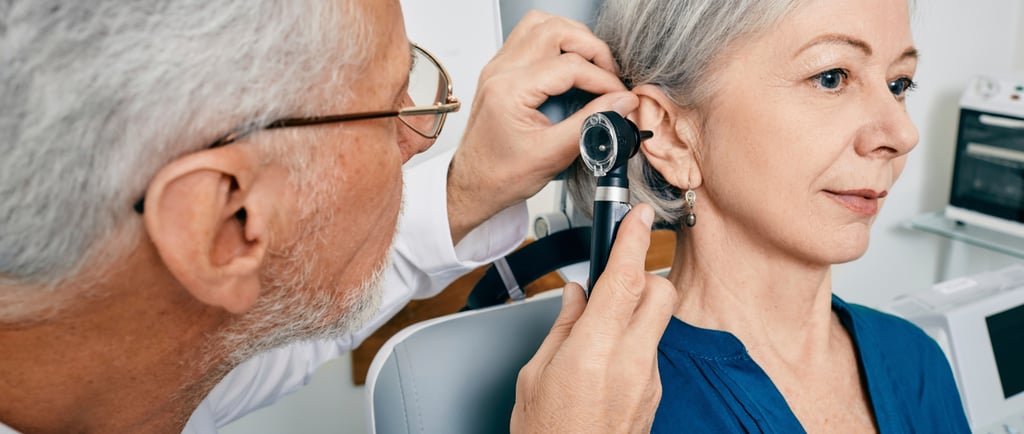
Examination of the ear canal
Clear explanation of what’s recommended
Treatment (where appropriate)
Aftercare advice
What to do next
If you think earwax may be contributing to your symptoms, the safest next step is to have your ears checked. You can book an appointment at our Crouch End clinic, or choose the right appointment type on our Services page.
Earwax removal in Crouch End: https://www.waxinwaxout.com/earwax-removal-crouch-end
Book / choose appointment type: https://www.waxinwaxout.com/services